
A routine vet visit rarely breaks the bank. But a handful of conditions — cancer, a twisted stomach, a torn ligament, a blocked intestine — can turn into bills of $3,000, $8,000, or more almost overnight. Knowing which health problems carry the biggest price tags, and why, makes it easier to plan ahead instead of scrambling for a payment plan in an emergency room lobby.
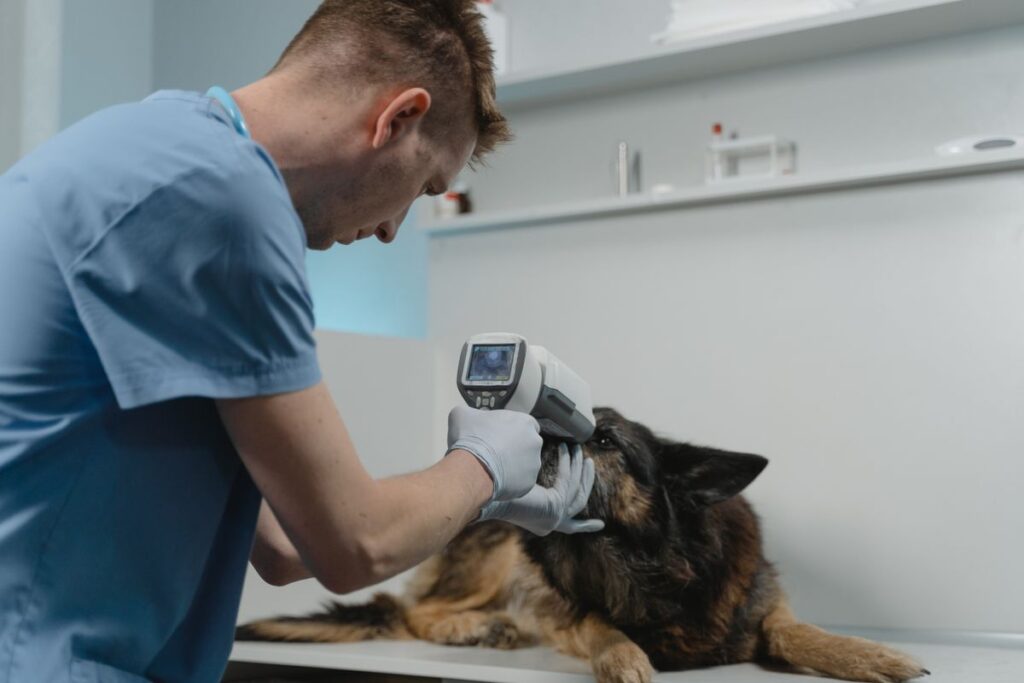
Why Some Pet Health Problems Cost So Much More Than Others
Cost in veterinary medicine tracks complexity, not just the pet’s size or age. A condition becomes expensive when it requires advanced imaging (ultrasound, CT, or MRI), general anesthesia, a board-certified specialist, multiple days of hospitalization, or an extended course of treatment rather than a single visit. Chronic conditions add a second kind of cost: they’re rarely catastrophic in one bill, but they recur for years and quietly add up to more than a single surgery would.
Emergency care compounds both factors. An after-hours or emergency clinic typically charges more per service than a daytime general practice, and true emergencies almost always require same-day diagnostics and overnight monitoring — two of the biggest line items on any invoice.
Specialist referrals push costs higher still. A general practice veterinarian might charge $150–$250 for an office visit, but a board-certified surgeon, oncologist, or internal medicine specialist typically starts around $200–$500 just for the initial consultation, before any treatment begins. For conditions like cancer or complex orthopedic injuries, that specialist fee is often only the first of many line items.
Quick Reference: Typical Cost Ranges
These are general U.S. ranges pulled from the sources cited throughout this article — actual costs vary by region, hospital, and the severity of the individual case:
- Cancer treatment (surgery + chemotherapy): roughly $3,000–$10,000+, depending on cancer type and protocol length
- Bloat (GDV) emergency surgery: roughly $3,000–$10,000, including ICU time
- Torn cruciate ligament (TPLO): roughly $2,500–$6,000 per knee
- Hip dysplasia surgery: roughly $1,200–$7,000+ per hip, depending on the procedure
- Foreign body / intestinal blockage surgery: roughly $2,000–$15,000, depending on complications
- Chronic kidney disease management (cats): ongoing, often $50–$250+ per month over years
The Most Expensive Conditions in Dogs
Cancer
Cancer is consistently one of the costliest diagnoses in dogs, largely because treatment can involve several specialists at once: surgery to remove a tumor, a veterinary oncologist for chemotherapy, and sometimes radiation. A full chemotherapy protocol for a common cancer like lymphoma often runs $3,000 to $10,000 over four to six months, with individual doses typically priced between $150 and $600. Add diagnostics, imaging, and follow-up bloodwork, and a full course of cancer care frequently lands well into five figures for advanced cases.
Gastric Dilatation-Volvulus (Bloat)
Bloat is a true middle-of-the-night emergency, most common in large, deep-chested breeds. The stomach fills with gas and twists on itself, cutting off blood flow — a dog can go from normal to critical in a matter of hours. Emergency surgery (gastropexy) plus the ICU stay that follows typically costs $3,000 to $6,000, and complicated cases with tissue damage can push total costs past $10,000.
Torn Cruciate Ligament (CCL/ACL)
A torn cranial cruciate ligament is one of the most common orthopedic injuries in dogs, especially in larger or more active breeds. The gold-standard repair, TPLO (tibial plateau leveling osteotomy), generally costs $2,500 to $6,000 per knee — and many dogs eventually injure the other leg too, effectively doubling the lifetime cost.
Hip Dysplasia and Orthopedic Disease
Hip dysplasia, common in large and giant breeds, can require anything from lifelong medication management to a full hip replacement. Surgical options range from around $1,200 per hip for a femoral head osteotomy to $3,500–$7,000 or more per hip for a total hip replacement. We cover this condition — including which breeds are most at risk and how to catch it early — in our detailed guide to hip dysplasia coverage.
Foreign Body Ingestion and Intestinal Blockage
Dogs that swallow socks, toys, or bones sometimes need emergency surgery to remove the object before it perforates the intestine. Straightforward cases run $2,000 to $5,000; if the blockage has already damaged the bowel or caused infection, costs commonly climb to $8,000–$15,000 once ICU time is included.
The Most Expensive Conditions in Cats
Cats tend to rack up fewer traumatic-injury bills than dogs, but they face their own set of costly, often chronic conditions. Chronic kidney disease is extremely common in older cats and requires ongoing bloodwork, prescription diets, and sometimes fluid therapy for the rest of the cat’s life — rarely a single large bill, but a steady one. Urinary blockages, especially in male cats, are a true emergency that can require a catheter, hospitalization, and occasionally surgery within 24–48 hours to be life-saving. Cancer and traumatic injury (falls, being hit by a car) round out the list of the priciest feline diagnoses, with severe trauma cases sometimes exceeding $5,000–$10,000 in emergency and follow-up care, a pattern reflected in real claims data published by insurers such as Healthy Paws.
Diabetes is another condition worth planning for in cats: it’s manageable, sometimes even reversible with early treatment, but it requires lifelong insulin, prescription food, and periodic bloodwork to monitor blood sugar. None of those costs is dramatic on its own, but together they make diabetes one of the more persistent recurring expenses in feline care.
Chronic Conditions Add Up Even When No Single Bill Is Huge
It’s worth separating “expensive” into two categories. Cancer, bloat, and major surgery are catastrophic-cost events — a single bill that can run into the thousands. But arthritis, allergies, and dental disease are a different kind of expensive: individually manageable, often a few hundred dollars a visit, but recurring for years. Data compiled by the North American Pet Health Insurance Association has repeatedly shown chronic conditions like these among the most common reasons pet owners file claims, and many owners report spending up to a couple hundred dollars a month managing them long-term. Over a pet’s lifetime, that steady drip can rival the cost of one dramatic emergency.
How to Plan Financially for a Major Vet Bill
There’s no way to predict exactly which condition your pet might develop, but there are a few practical ways to prepare for the possibility of a large bill:
- Build a dedicated emergency fund. Even $1,000–$2,000 set aside specifically for vet care covers many mid-size emergencies outright and softens the blow of larger ones.
- Understand your pet insurance policy before you need it. If you carry a policy, know your deductible, reimbursement percentage, and annual limit in advance — not while you’re standing in an exam room. Our guide on how much pet insurance can actually save you walks through real claim examples for conditions like these.
- Ask about payment plans and financing early. Many clinics and emergency hospitals offer third-party financing; asking about it before a crisis, rather than during one, gives you more time to compare terms.
- Factor your pet’s breed and age into your planning. Large and giant breeds face a higher lifetime risk of orthopedic conditions and bloat, while senior pets are more likely to face cancer and organ disease. Our breakdown of pet insurance cost by breed, age, and coverage level can help you gauge your own pet’s risk profile.
If you’re still weighing whether coverage makes sense at all, our honest cost-benefit breakdown of pet insurance is a good starting point before you dig into specific claim scenarios.
FAQs
What is the single most expensive pet health condition?
Cancer typically tops the list for total lifetime treatment cost in dogs and cats, since it often combines surgery, oncologist visits, and an extended course of chemotherapy or radiation. Catastrophic emergencies like bloat can produce a comparably large single bill, but usually resolve (successfully or not) within days rather than months.
Are large-breed dogs really more expensive to treat?
On average, yes. Larger dogs are more prone to bloat and orthopedic conditions like hip dysplasia and cruciate ligament tears, and medication, anesthesia, and surgical costs generally scale with body weight.
Can pet insurance actually cover these conditions?
Most accident-and-illness pet insurance policies cover cancer treatment, bloat surgery, and orthopedic repairs like TPLO, as long as the condition wasn’t diagnosed before the policy started (a pre-existing condition). Coverage details, deductibles, and reimbursement rates vary significantly by provider, so it’s worth reading the policy documents closely rather than assuming.
How much should I keep in an emergency fund for my pet?
There’s no single right number, but many financial and veterinary sources suggest $1,000–$2,000 as a reasonable starting target, with more for large-breed dogs or senior pets who statistically face higher odds of a costly diagnosis.
The Bottom Line
The conditions on this list aren’t common in any single year, but across a pet’s lifetime the odds of facing at least one of them are meaningful — especially for large-breed dogs and senior pets. Whether you plan around a dedicated savings account, a pet insurance policy, or a combination of both, the goal is the same: make the financial decision before the emergency, not during it. If you’re comparing your options, our guide to what pet insurance costs per month in 2026 is a useful next read.
PawProtectPlans.com is an independent educational resource, not an insurance company. The information above is general guidance and not a substitute for advice from your veterinarian or a licensed insurance professional.
No responses yet