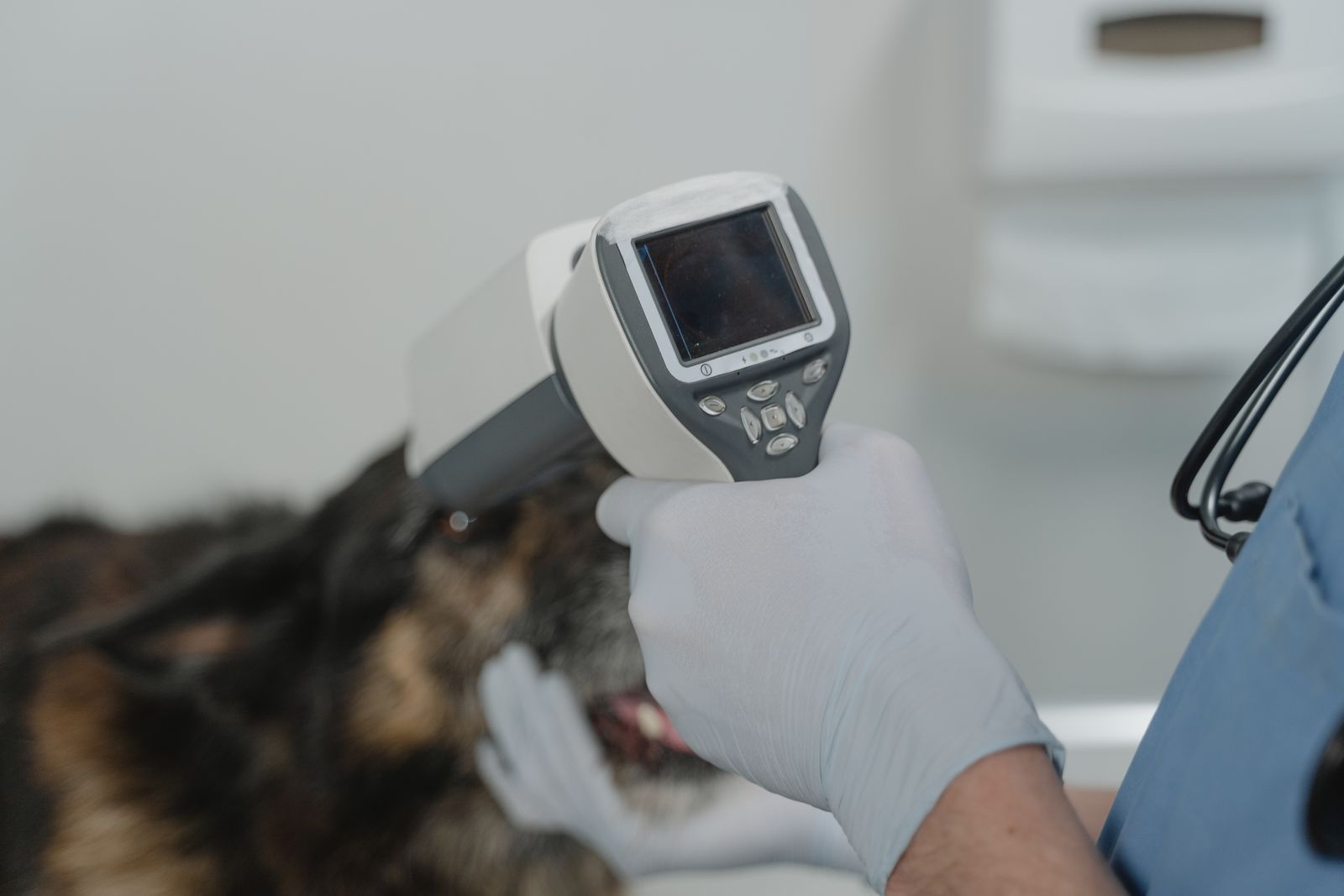
Few numbers land harder than an emergency vet quoting a surgery estimate while your dog is still on the exam table. Without insurance or savings set aside, that number is coming straight out of pocket, all at once, often within hours. This guide breaks down what dog surgery actually costs without insurance across the procedures owners run into most — from a routine mass removal to an emergency bloat repair — so you can plan realistically instead of guessing.
Why Dog Surgery Costs Vary So Much
There’s no single “average” surgery cost because the price depends on several factors that stack on top of each other:
- General practice vs. specialty/emergency hospital. The same procedure can cost two to three times more at a 24-hour emergency or specialty surgical center than at a regular daytime vet clinic, because of overhead, specialist fees, and overnight monitoring.
- Geographic location. Surgery in a major metro area on the coasts typically costs noticeably more than the same procedure in a smaller city or rural area.
- Dog size. Larger dogs need more anesthesia, larger surgical teams for some procedures, and often longer recovery monitoring — all of which raise the bill.
- What’s bundled into the quote. A single “surgery cost” figure rarely tells the whole story. Pre-surgical bloodwork, anesthesia, IV fluids, pain medication, an Elizabethan collar, follow-up visits, and sometimes overnight hospitalization are often billed separately from the procedure itself.
With that context, here’s what real-world pricing looks like for the procedures dog owners face most often.
Common Dog Surgery Costs, Procedure by Procedure
ACL/CCL (Torn Ligament) Repair — TPLO
Torn cranial cruciate ligaments are one of the most common orthopedic injuries in dogs, especially larger breeds. Tibial plateau leveling osteotomy (TPLO), the surgical technique most orthopedic surgeons recommend for anything beyond a small dog, typically costs $2,500–$6,000 per knee at a general surgical practice, and $6,000–$10,000 per knee at a specialty hospital in a major metro area. Costs have climbed noticeably in recent years — what ran roughly $4,500–$5,000 at many specialty hospitals a few years ago now often exceeds $6,000. If both knees need surgery (not uncommon, since a torn ligament in one leg raises the risk to the other), expect a combined bill well into five figures if done separately over time. For dogs prone to joint issues, our guide on whether pet insurance covers hip dysplasia and other orthopedic conditions explains how insurers typically categorize these claims.
Hip Dysplasia Surgery (FHO or Total Hip Replacement)
For dogs with severe hip dysplasia, femoral head ostectomy (FHO) — removing the ball of the hip joint so the body forms a “false joint” — typically runs $1,200–$3,000 per hip, including pre-surgical bloodwork, anesthesia, and post-op care. A full total hip replacement, a more involved procedure usually reserved for larger, more active dogs, costs substantially more and is generally only available at specialty referral hospitals.
Bloat / GDV (Gastric Dilatation-Volvulus) Emergency Surgery
Bloat is a true emergency: a dog’s stomach fills with gas and twists, cutting off blood supply, and can be fatal within hours without surgery. Emergency GDV surgery typically costs $1,500–$7,500+, and for a large dog treated at an emergency facility with extended ICU monitoring, the total bill commonly reaches $5,000–$10,000. Because bloat happens with no warning and requires immediate treatment, it’s one of the clearest cases where having a financial plan already in place — insurance or savings — matters more than being able to shop around for the best price.
Foreign Body Removal (Swallowed Object)
Dogs that swallow socks, toys, or other objects that lodge in the intestines need surgical removal before the blockage causes tissue damage. This falls into the intermediate range of emergency surgeries, generally $1,500–$5,000 depending on how far the object has traveled and whether any tissue needs to be removed along with it.
Mass / Tumor Removal
A single, straightforward skin lump removed at a general practice can run under $300 to around $1,450 based on real vet invoices, including sedation, the excision, and a biopsy to check the tissue. Internal masses — on the spleen, liver, or intestines — require full abdominal surgery and typically cost $1,500–$4,000 or more. If a mass turns out to be malignant, ongoing cancer treatment can add thousands more; see our guide on how pet insurance handles cancer treatment for what that longer-term cost picture tends to look like.
Spay/Neuter and Other Routine Surgical Procedures
Routine, non-emergency procedures like spaying and neutering are in a different cost category entirely — typically a few hundred dollars at a general practice, sometimes less at low-cost clinics — and most insurers treat them as excluded “elective” procedures rather than covered illness or accident care.
What These Numbers Add Up To
Put together, a single unplanned surgical event for a dog — the kind that shows up with no warning, like bloat, a torn ligament, or a swallowed object — commonly lands somewhere between $1,500 and $10,000 depending on the procedure, the dog’s size, and whether it happens at a general practice or an emergency specialty hospital. That’s a wide range, but it’s also a realistic one: a small skin mass removal at your regular vet and a middle-of-the-night GDV repair at an emergency hospital are both “dog surgery,” and the bills can differ by a factor of ten.
Paying for Surgery Without Insurance: What Your Options Actually Look Like
If a surgery bill arrives and there’s no policy or dedicated fund in place, owners typically end up choosing between a few imperfect options: a veterinary care credit line (like CareCredit), a personal loan, a payment plan directly with the clinic if one is offered, or — for smaller and mid-size bills — a credit card. All of these either cost interest or require qualifying credit, which is worth knowing before you’re standing in an exam room making the decision under pressure. We compare this scenario directly against carrying a policy in pet insurance vs. a dedicated savings account for vet bills.
How Insurance Changes the Math
With an accident-and-illness policy in force (and past any waiting period), most of the procedures above would be reimbursed at whatever percentage the policy specifies — commonly 70%, 80%, or 90% — after the deductible is met. On a $6,000 TPLO surgery with an 80% reimbursement rate and a $250 deductible already met for the year, for example, roughly $4,600 would come back to you rather than staying an out-of-pocket loss. Our page on what pet insurance surgery coverage typically includes and excludes walks through exactly which surgical scenarios are covered and where policies commonly draw the line. For real numbers on what owners have actually gotten back on claims like these, see how much pet insurance can actually save you.
The trade-off, of course, is the monthly premium paid in the meantime — commonly in the $25–$70+ range depending on the dog’s breed, age, and location, as detailed in our full cost breakdown. Whether that trade-off is worth it for your specific dog is a personal budgeting question we unpack in our honest cost-benefit breakdown of pet insurance.
Frequently Asked Questions
Is emergency surgery always more expensive than the same surgery scheduled in advance?
Usually, yes. Emergency and after-hours facilities carry higher overhead, and urgent cases often require more diagnostics (X-rays, bloodwork, ultrasound) done immediately rather than spread out, which adds to the bill compared to a planned procedure at a regular daytime clinic.
Do all vets require payment in full before surgery?
Most general practices and virtually all emergency hospitals require payment, or at minimum a substantial deposit, before or immediately after surgery — they generally don’t bill later. This is exactly why financing options or advance planning matter for anything beyond routine care.
Can I negotiate a surgery quote with my vet?
Sometimes. It’s reasonable to ask for a written itemized estimate and to ask whether any parts of the recommended plan (certain diagnostics, an overnight stay) are optional versus essential. A second opinion at a different practice is also a legitimate option for non-emergency procedures.
Does pet insurance cover a surgery that’s already been recommended before I enroll?
No. Any condition already diagnosed, or showing symptoms, before enrollment or during the policy’s waiting period is treated as pre-existing and excluded from coverage — which is why insurers recommend enrolling while a pet is healthy rather than waiting until a problem appears.
How much should I budget for a general pet emergency fund if I skip insurance?
Given that a single serious surgical event commonly runs $1,500–$10,000, financial planners who cover pet costs generally suggest a dedicated fund in that same range, kept liquid and separate from other emergency savings, if you’re choosing to self-insure instead of buying a policy.
The Bottom Line
Dog surgery costs without insurance span a wide range — a few hundred dollars for a small elective procedure, several thousand for an orthopedic repair, and potentially $10,000 or more for a large-dog emergency at a specialty hospital. According to the North American Pet Health Insurance Association, U.S. pet owners spent a record amount on pet insurance premiums in 2025 as veterinary costs continued climbing — a trend that shows no sign of reversing. Pawprotectplans.com is an independent educational resource, not an insurance company, so we can’t tell you which specific outcome your dog will face. What we can say is that whichever path you choose — insurance, a dedicated emergency fund, or both — deciding before an emergency happens is what actually protects your wallet. If you’re weighing your options, our comparison of the best pet insurance plans for 2026 is a good next step.
No responses yet