
Hip dysplasia is one of the most common orthopedic conditions in dogs, especially in large and giant breeds. It doesn’t happen overnight — it usually develops gradually, starting with subtle stiffness that’s easy to write off as “getting older” or “a slow morning.” Catching it early, and understanding what treatment actually costs, can make a real difference in both your dog’s comfort and your budget.
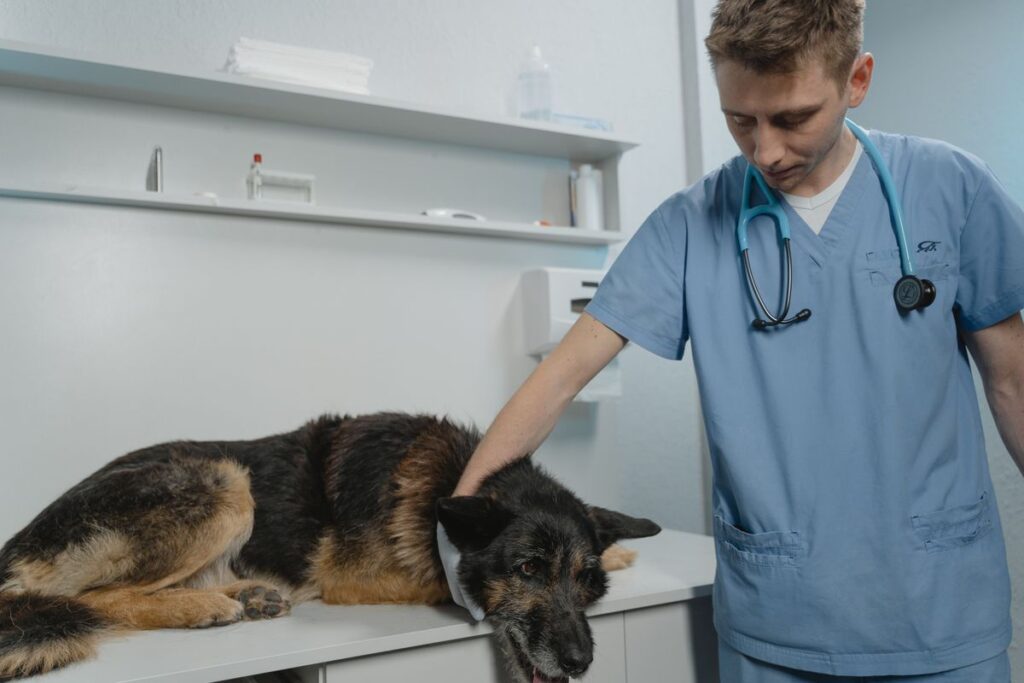
What Is Hip Dysplasia?
Hip dysplasia occurs when the hip joint doesn’t form properly, so the ball and socket don’t fit or move together smoothly. Over time, that looseness wears down cartilage and leads to arthritis, pain, and reduced mobility. It’s largely a genetic condition, though rapid growth, excess weight, and high-impact exercise during puppyhood can make symptoms appear earlier or more severely in dogs that are already predisposed to it.
Symptoms and Early Warning Signs
Hip dysplasia symptoms range from barely noticeable to severely limiting, and they often worsen slowly enough that owners miss the early signs. Watch for:
- Stiffness or reluctance to get up after resting, especially in the morning
- A “bunny hop” gait when running, with both back legs moving together
- Difficulty climbing stairs, jumping into a car, or getting on furniture
- Visible muscle loss in the hind legs over time
- Decreased activity, exercise intolerance, or reluctance to play
- An audible grinding or clicking sound from the hip during movement
These signs can appear as early as five months of age in severe cases, or not until later in life as arthritis develops on top of an already loose joint.
Which Breeds Are Most at Risk
Hip dysplasia can affect any dog, but prevalence varies enormously by breed — from roughly 1% in some breeds to over 50% in others, according to data collected by veterinary orthopedic registries. Large and giant breeds are consistently overrepresented, including:
- German Shepherds, historically cited around 18–20% prevalence
- Golden Retrievers and Labrador Retrievers
- Rottweilers and Bernese Mountain Dogs
- Saint Bernards and Neapolitan Mastiffs
- English Bulldogs, which show unusually high rates despite their smaller size
If you own one of these breeds, our guides on pet insurance for German Shepherds and Labrador Retrievers go into more detail on breed-specific coverage considerations, including hip and joint conditions.
How Vets Diagnose Hip Dysplasia
Diagnosis starts with a physical exam: your vet will manipulate the hip joint to check for looseness, pain, and reduced range of motion. From there, X-rays under sedation are the standard way to confirm the diagnosis and assess severity — some vets use a specialized method called PennHIP, which measures joint laxity more precisely than a standard X-ray. In younger dogs from at-risk breeds, some owners choose to screen proactively even before symptoms appear, since early detection opens up more conservative treatment options.
Treatment Options
Non-Surgical (Conservative) Management
Not every dog with hip dysplasia needs surgery, especially with mild cases or dogs who aren’t good surgical candidates. Conservative management typically includes:
- Weight management — extra weight puts direct added stress on the joint
- Joint supplements (glucosamine, chondroitin, omega-3 fatty acids)
- Anti-inflammatory or pain medication
- Physical therapy, hydrotherapy, or controlled low-impact exercise
- Ramps or steps to reduce jumping and stair use at home
Surgical Options
When conservative management isn’t enough, several surgical procedures are available depending on the dog’s age, size, and severity:
- Juvenile Pubic Symphysiodesis (JPS): a preventive procedure for puppies under about five months old with early signs of laxity
- Double or Triple Pelvic Osteotomy (DPO/TPO): reorients the hip socket in young dogs, usually under 10 months, before arthritis sets in
- Femoral Head Osteotomy (FHO): removes the ball of the joint so the body forms a “false joint,” often used for smaller dogs or as a lower-cost option
- Total Hip Replacement (THR): replaces the joint with an artificial implant, generally offering the best long-term outcome for larger dogs with advanced disease
How Much Does Hip Dysplasia Treatment Cost?
Costs vary widely depending on the treatment path:
- Diagnosis alone (exam, sedated X-rays): roughly $150–$800
- Ongoing conservative management: roughly $500–$2,500+ per year for supplements, medication, and rehab visits
- JPS surgery: roughly $800–$1,000
- FHO surgery: roughly $1,200–$2,500 per hip
- DPO/TPO surgery: roughly $3,000–$6,000 per hip
- Total hip replacement: roughly $3,500–$7,000+ per hip, sometimes exceeding $10,000–$14,500 when diagnostics and aftercare are included
Many dogs with hip dysplasia eventually need treatment on both hips, which can roughly double the total surgical cost over the dog’s lifetime. It’s also worth noting that these figures rarely include everything: pre-surgical bloodwork, anesthesia, pain medication, a recheck exam, and post-op physical therapy are often billed separately and can add several hundred dollars on top of the surgery itself. For a broader look at how orthopedic conditions compare to other costly diagnoses, see our guide to the most expensive pet health conditions in dogs and cats.
Recovery and Long-Term Outlook
Recovery timelines depend heavily on which path a dog takes. Dogs managed conservatively don’t have a “recovery period” in the traditional sense — instead, they’re monitored continuously, with medication and activity levels adjusted as needed over months or years. Surgical recovery is more defined: JPS and FHO patients are often walking with some weight-bearing within a few weeks, while DPO/TPO and total hip replacement patients typically need six to twelve weeks of strict activity restriction, often including crate rest and short, controlled leash walks, before returning to normal activity. Physical therapy or hydrotherapy during this window can meaningfully improve the final outcome.
The long-term prognosis for most dogs with hip dysplasia, treated or not, is reasonably good. Many go on to live full, active lives, particularly when the condition is caught early and managed consistently rather than left to progress untreated.
Can You Prevent or Reduce the Risk?
Because hip dysplasia is largely genetic, it can’t always be prevented outright — but several factors are within an owner’s control. Keeping a puppy lean during its growth period (rather than overfeeding for rapid growth), avoiding excessive high-impact exercise like repeated jumping before growth plates close, and choosing a breeder who screens parent dogs through the Orthopedic Foundation for Animals (OFA) can all meaningfully lower the odds or delay the onset of symptoms. Large-breed puppy foods, formulated with controlled calcium and calorie levels to slow growth slightly, are also commonly recommended by veterinarians for at-risk breeds during the first year of life.
Does Pet Insurance Cover Hip Dysplasia?
Many accident-and-illness pet insurance policies do cover hip dysplasia, including surgery, as long as your dog was enrolled and symptom-free before any signs appeared — hip dysplasia diagnosed or showing symptoms before your policy starts is typically treated as a pre-existing condition and excluded. Some insurers also apply longer waiting periods specifically for orthopedic conditions, so it’s worth checking that detail if you own a breed known for hip dysplasia and are shopping for a policy before symptoms ever appear. We break down exactly what to check in a policy before you buy in our guide to whether pet insurance covers hip dysplasia, and you can compare monthly premiums across providers in our 2026 pet insurance cost guide.
FAQs
At what age do dogs typically show signs of hip dysplasia?
Some severely affected puppies show signs as early as five to six months old, but many dogs — especially those with milder cases — don’t show noticeable symptoms until arthritis develops later in adulthood or in their senior years.
Is hip dysplasia surgery always necessary?
No. Many dogs, especially those with mild to moderate cases, are managed successfully for years with weight control, joint supplements, medication, and physical therapy. Surgery is generally reserved for dogs with significant pain, joint laxity, or advanced arthritis that isn’t responding to conservative care.
Can small dogs get hip dysplasia too?
Yes, though it’s far less common. Small and toy breeds can develop hip dysplasia, but because they carry less body weight on the joint, symptoms tend to be milder and surgery is less frequently required — many small dogs are managed successfully with weight control and supplements alone for their entire lives.
Does insurance cover hip dysplasia if my dog already has symptoms?
Generally not for that specific hip. Once a condition has been diagnosed or shown symptoms, it’s treated as pre-existing by virtually all pet insurers and excluded from coverage going forward, which is why enrolling before symptoms appear matters most for at-risk breeds.
The Bottom Line
Hip dysplasia is manageable, and most dogs — even those who eventually need surgery — go on to live comfortable, active lives with the right treatment plan. The key is catching it early, especially if you own a breed with a known genetic predisposition, and understanding your treatment and financing options before a diagnosis forces a rushed decision.
PawProtectPlans.com is an independent educational resource, not an insurance company or veterinary clinic. The information above is general guidance and not a substitute for a diagnosis or treatment plan from your veterinarian.
No responses yet