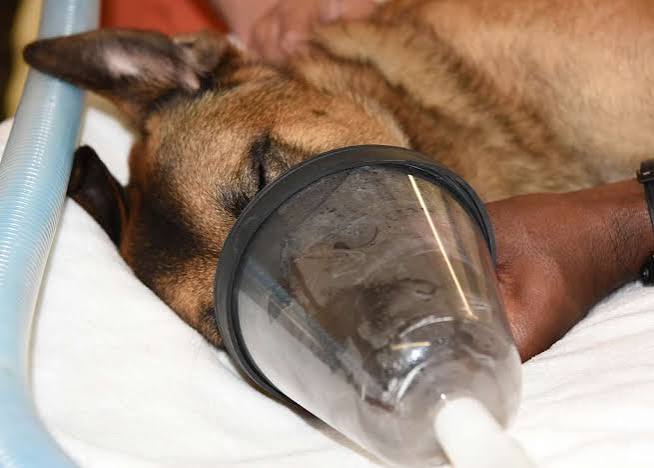
Does pet insurance cover surgery? The short answer is yes — pet insurance covers surgeries that are medically necessary for new accidents and illnesses that develop after the policy’s effective date. The longer answer involves understanding the specific conditions, the costs, and the categories of surgery that are not covered. Knowing those boundaries before a surgical emergency arrives is the difference between a straightforward claim and a denied one.
This guide covers every major surgery category, what real surgeries cost, what the exclusions actually mean in practice, and the one timing decision that determines whether your pet’s next surgery is covered.
The core rule: medically necessary, after enrollment, not pre-existing
According to MoneyGeek’s 2026 surgery coverage analysis, pet insurance covers surgeries that meet three conditions simultaneously: the procedure is medically necessary (not elective or cosmetic), the condition requiring surgery developed after the policy’s effective date and any applicable waiting periods, and the condition is not pre-existing. When all three conditions are met, most carriers reimburse 60%–90% of eligible surgery costs after the annual deductible, with payments typically arriving within 5–14 business days.
The practical implication of the timing rule is direct. If your vet diagnoses a condition and recommends surgery today, and you purchase a policy tomorrow, that surgery is excluded — the condition existed before enrollment. Conversely, if your pet is enrolled and develops a condition weeks or months later, the surgery to treat it is covered regardless of how expensive it becomes.
Surgeries that are covered under standard accident-and-illness plans
Emergency and trauma surgeries (accident coverage)
These activate earliest — within 0–3 days of enrollment at most carriers — and represent the most clear-cut covered category:
- Foreign body removal: surgery to remove swallowed objects (socks, toys, stones, corn cobs). According to CareCredit’s 2024 veterinary cost data, foreign body removal averages $1,260 for cats and runs $1,600–$5,000 for dogs depending on complexity.
- Fracture repair: surgery to set and stabilize broken bones from trauma, falls, or vehicle strikes. Costs range from $1,500 to $5,000 depending on bone location and repair method.
- Laceration repair and wound surgery: includes bite wounds requiring surgical closure, reconstruction, or drain placement.
- Bloat surgery (GDV): gastric dilatation-volvulus is a life-threatening emergency requiring immediate surgery; average cost runs $1,500–$7,500.
- Toxin-related surgery: when toxic ingestion requires surgical intervention rather than medical management alone.
Illness and condition surgeries (illness coverage)
These activate after the standard 14-day illness waiting period and cover the most expensive surgical events most pets face:
- Cancer surgery: tumor removal, oncologic resection, and debulking procedures, which can range from $1,000 for a simple skin mass to $10,000+ for abdominal or thoracic cancer. This is the single highest-cost surgery category in pet insurance claims.
- Orthopedic surgery: cruciate ligament (CCL/ACL) repair, which averages $3,500 per knee and is the most common large-breed surgical claim. Hip dysplasia surgery, luxating patella correction, and femoral head ostectomy are similarly covered when conditions develop after enrollment.
- Bladder stone removal: averaging $1,821 for dogs per CareCredit data. Urinary blockage surgery in cats typically runs $1,500–$3,500.
- Mass and tumor removal: from benign lipomas to malignant tumors, covered when the mass develops after enrollment.
- Intervertebral disc disease (IVDD) surgery: spinal surgery for disc herniation, common in Dachshunds, French Bulldogs, and Corgis, typically costing $3,000–$8,000.
- Cardiac surgery: certain correctable heart defects, pericardial effusion, and related conditions.
- Cataract surgery: averaging approximately $3,600 for dogs per CareCredit’s veterinary cost data, covered when cataracts develop as a disease rather than from hereditary conditions that were pre-existing.
- Dental surgery for disease: tooth extractions, periodontal surgery, and oral mass removal when caused by dental disease — at carriers that include dental illness coverage (Spot, Embrace, Fetch, Pets Best).
What specialist and emergency clinic surgeries cost — and how insurance applies
Surgeries performed at specialist or emergency clinics typically cost 2–3× what the same procedure costs at a general practice. Emergency clinics add facility fees, overnight monitoring charges, and specialist consultation fees on top of the surgical cost itself. All of these are eligible for reimbursement under a standard accident-and-illness policy, as long as the underlying condition is covered. According to MetLife Pet’s surgery coverage guide, coverage for surgeries performed by vet specialists is included under standard policy terms — the specialist designation does not limit or exclude coverage.
Surgeries that are NOT covered
Elective and cosmetic procedures
Spaying and neutering are excluded from standard accident-and-illness policies at virtually every carrier. Some wellness add-ons cover the cost of spay/neuter, but the base policy does not. Similarly, ear cropping, tail docking, dewclaw removal for aesthetic purposes, and declawing are universally excluded as cosmetic procedures. These are explicitly named in most carriers’ exclusion lists, as Embrace’s surgery coverage page confirms.
Prophylactic surgeries
Preventive surgeries recommended to reduce future risk — rather than to treat a current condition — occupy a gray area that most carriers exclude. The most common example is prophylactic gastropexy: surgical attachment of the stomach wall to prevent bloat, recommended for high-risk breeds like Great Danes and German Shepherds before any episode occurs. According to Progressive’s surgery coverage guide, even when a vet recommends a prophylactic procedure, it often won’t be covered because it is preventive rather than medically necessary for a current condition. Notably, if a pet then develops GDV and requires emergency gastropexy as part of bloat treatment, that surgery is covered — the distinction is current medical necessity versus future risk reduction.
Surgeries for pre-existing conditions
Any surgery required to treat a condition that was diagnosed, showed symptoms, or was being treated before the policy’s effective date or during the waiting period is excluded. This applies even when the surgery itself occurs months or years after enrollment — the determining factor is when the condition first appeared, not when the surgery happens. As MetLife’s guide notes explicitly, even if a condition is diagnosed during a waiting period and surgery happens after the waiting period ends, that surgery may still be excluded if the insurer determines the condition originated during the exclusion window.
Surgeries during waiting periods
Any surgery for a condition that shows symptoms during the waiting period is excluded, regardless of when the surgery itself occurs. Furthermore, the onset of symptoms — not the date of the vet visit or the surgery date — is what the insurer uses to determine whether the waiting period applies. This is the most common cause of surgical claim denials.
Real surgery costs and what insurance actually pays back
Using a standard policy with a $500 annual deductible and 80% reimbursement:
| Surgery type | Average cost | After deductible | After 80% reimb. | Your out-of-pocket |
|---|---|---|---|---|
| Foreign body removal (dog) | $3,000 | $2,500 eligible | $2,000 reimbursed | $1,000 |
| CCL/ACL repair | $3,500 | $3,000 eligible | $2,400 reimbursed | $1,100 |
| Bloat/GDV surgery | $5,500 | $5,000 eligible | $4,000 reimbursed | $1,500 |
| IVDD spinal surgery | $6,000 | $5,500 eligible | $4,400 reimbursed | $1,600 |
| Cancer surgery (abdominal) | $8,000 | $7,500 eligible | $6,000 reimbursed | $2,000 |
| Cataract surgery (dog) | $3,600 | $3,100 eligible | $2,480 reimbursed | $1,120 |
Note: deductible resets annually — a second surgery in the same policy year has no deductible applied, increasing the reimbursement on the second claim.
The pre-certification option most owners don’t use
Several carriers — including Embrace — offer an optional pre-certification process that lets you submit your vet’s surgical recommendation before the procedure and receive a coverage determination in advance. Pre-certification is never required to file a claim, but it removes the uncertainty of whether a planned surgery will be covered before you commit to the procedure and pay the upfront cost. According to Embrace’s surgery coverage page, this option is available to all active policyholders at no extra cost and can be requested through the member portal.
State-level protections that affect surgical coverage
Your state’s regulatory environment can materially affect whether a surgical claim is handled in your favor. According to WhiskerCover’s 2026 conditions guide, states that have adopted the NAIC Pet Insurance Model Act cap orthopedic waiting periods at 30 days — with “orthopedic” explicitly defined to include cruciate ligament rupture, IVDD, and hip, elbow, and patellar conditions. These are precisely the surgeries most commonly disputed on waiting-period grounds. If you live in California, Ohio, Pennsylvania, or another NAIC-adopting state, your insurer is legally required to apply a 30-day maximum orthopedic wait, which directly expands the window of covered surgical eligibility compared to carriers’ standard 6-month orthopedic terms.
The bottom line on surgical coverage
Pet insurance covers the surgeries that most owners worry about — emergency trauma surgery, cancer surgery, orthopedic repair, and organ or bladder surgery — as long as the conditions develop after enrollment and outside the waiting periods. The exclusions are predictable and consistent: cosmetic and elective procedures, prophylactic surgeries, and anything pre-existing or developing during the waiting window. Understanding those boundaries before a surgical event is what ensures the claim process is straightforward rather than disputed.
For a full comparison of which carriers have the shortest orthopedic waiting periods for surgical conditions, see our waiting periods guide. For a broader look at everything a standard policy covers beyond surgery, see our complete coverage guide.
Sources cited in this article: MoneyGeek — Does Pet Insurance Cover Surgery? (May 2026); WhiskerCover — Pet Insurance Conditions Guide (July 2026); Pawlicy Advisor — Does Pet Insurance Cover Surgery?; U.S. News — Does Pet Insurance Cover Surgery? (May 2026); MetLife Pet Insurance — Surgery Coverage; Embrace Pet Insurance — Surgery Coverage; Progressive — Does Pet Insurance Cover Surgery?; CareCredit — Cost of Pet Surgery 2024.
No responses yet