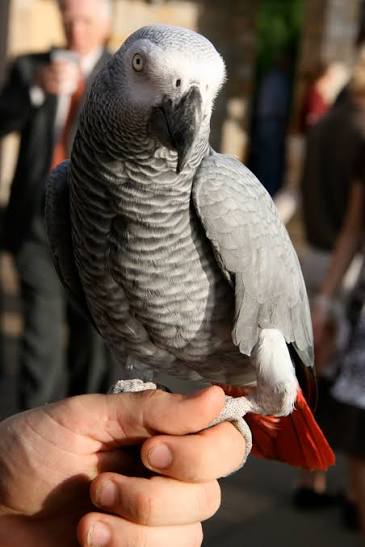
Pet insurance for exotic pets occupies a very different corner of the market than dog and cat coverage. The carrier options are fewer, the reimbursement models differ meaningfully, and the species-specific conditions that drive the biggest bills — GI stasis in rabbits, metabolic bone disease in reptiles, psittacosis in birds — are conditions that most general pet insurance buyers have never encountered. Yet the financial exposure is real: exotic vet specialists routinely charge 2–3× what a general practice charges, a simple avian checkup runs $80–$150, and a rabbit with gastrointestinal stasis can generate a treatment bill of $150–$600 before the condition even becomes critical.
This guide covers every major U.S. carrier offering exotic pet insurance in 2026, the species-specific conditions that matter most by animal type, and the critical difference between benefit-schedule and percentage-based reimbursement models that determines how much you’ll actually get back at claim time.
The state of the exotic pet insurance market in 2026
The options for insuring exotic pets remain significantly narrower than for dogs and cats. According to HowMuchIsPetInsurance.com’s 2026 exotic coverage guide, Nationwide remains the only major U.S. provider offering a plan specifically designed for exotic animals — covering birds, reptiles, rabbits, guinea pigs, ferrets, and even potbellied pigs. MetLife has entered the space more aggressively in recent years and now covers several exotic species under its standard accident-and-illness policy. Spot and a handful of newer insurtech companies have begun offering exotic coverage as well, though availability varies substantially by species and state.
The market is growing: the exotic pet insurance sector is projected to expand at a CAGR of 13.4% through 2030, driven by rising exotic pet ownership (up 22% since 2019) and growing owner awareness that non-traditional pets generate vet bills just as large as those for dogs and cats. With 9.9 million pet birds, 6.2 million small mammals, and 5.7 million reptiles in U.S. households, the demand for coverage is clearly there — the supply is simply catching up.
The two carriers to know: Nationwide and MetLife
Nationwide Avian & Exotic Plan — Best for comprehensive exotic species coverage
Nationwide is the only major carrier to have built a plan specifically designed for exotic animals rather than adapting a dog/cat policy. Its Avian & Exotic plan covers birds, reptiles, rabbits, guinea pigs, ferrets, chinchillas, hedgehogs, and potbellied pigs. According to U.S. News’ exotic pet insurance guide, the plan is available in all 50 states and Washington D.C., with exotic pets needing to be at least 8 weeks old to enroll.
Estimated monthly cost: generally starting under $21/month, though actual premiums vary by species and coverage level
The critical model difference: Nationwide’s exotic plan operates on a benefit schedule rather than a percentage-based reimbursement model. This means the policy pays a defined dollar amount for each covered procedure — for example, $X for a blood panel, $Y for an X-ray, $Z for a specific surgery — up to the annual maximum. Importantly, this structure can result in lower actual reimbursements than a percentage-of-invoice plan when specialist fees exceed the scheduled amount. As HowMuchIsPetInsurance.com notes, reading the benefit schedule before enrolling is essential so you understand the actual cap on each procedure type.
What it covers: accidents (falls, burns, foreign body ingestion, bite wounds, broken bones), illnesses (infections, parasitic disease, organ disease, cancer, and species-specific conditions like metabolic bone disease in reptiles and GI stasis in rabbits), and diagnostic testing (bloodwork, X-rays, ultrasounds, cultures). Notably, the plan covers the specialized conditions that are the most common and expensive for each species group.
Watch out for: the benefit-schedule model means your reimbursement is capped per procedure regardless of actual vet fees. At exotic specialist rates (which run 2–3× general practice fees), the scheduled benefit may cover a smaller percentage of the actual bill than you might expect from a “comprehensive” plan description.
MetLife — Best overall exotic pet insurance for value and flexibility
MetLife has emerged as the top-ranked exotic pet insurer in MoneyGeek’s 2026 analysis, scoring 4.61/5 and earning the “best overall” designation based on competitive premiums, strong customer service, and flexible coverage options. Unlike Nationwide’s benefit-schedule model, MetLife uses percentage-based reimbursement — meaning it pays a defined percentage (up to 90%) of the actual invoice rather than a fixed dollar amount per procedure.
Estimated monthly cost: averaging $33/month across birds, ferrets, rabbits, and reptiles — the cheapest option in MoneyGeek’s analysis for exotic species overall
Reimbursement model: percentage-based (50%, 70%, 80%, or 90%) of the actual bill, after the annual deductible
Coverage: annual limits up to $10,000, deductibles between $0 and $2,500, accident coverage from day one, illness coverage after a 14-day waiting period
Watch out for: MetLife’s exotic coverage is not available in all states — confirm availability in your state before relying on it. Additionally, no wellness add-on is available for exotic species, so routine care costs remain entirely out of pocket.
Nationwide’s standard Modular Plan — An alternative for some species
Beyond its dedicated exotic plan, Nationwide also offers its standard Modular Pet Insurance Plan to exotic pet owners through some employer partnerships. This plan uses actual invoice reimbursement rather than a benefit schedule — making it potentially more favorable for high-cost specialist visits — but availability and species eligibility vary. According to U.S. News, some employers offer Whole Pet or My Pet Protection plans that can be extended to exotic animals through Nationwide’s workplace partnerships.
Spot and others — Emerging options worth checking
Spot has begun offering coverage for some exotic species, and Nationwide’s petinsurance.com subsidiary covers a range of small mammals and birds starting under $21/month. Specialty providers focused exclusively on non-traditional pets also exist, though their track records are shorter and their financial stability ratings are less established than Nationwide or MetLife. Before enrolling with any newer or niche carrier, checking their BBB rating and reading owner reviews specifically from exotic pet owners — since claim experiences vary significantly by species — is worth the extra time.
Species-specific costs and conditions: what you’re actually protecting against
Birds
Avian vets are scarce in many areas and command premium fees. A basic checkup for a parrot runs $100–$300. When bloodwork, imaging, and treatment are required — for a bacterial infection, respiratory illness, or crop impaction — a single visit can exceed $1,000 according to Truvo’s 2026 exotic insurance guide. Birds are also notorious for hiding illness until it is advanced, which means by the time symptoms are visible, diagnostic testing is typically urgent and extensive.
Average monthly insurance cost for birds: $10–$25
Most common costly conditions: psittacosis (parrot fever), respiratory infections, crop impaction, feather-destructive behavior requiring behavioral and medical intervention, egg binding in hens
Reptiles
Reptile emergencies are often sudden and severe. Metabolic bone disease — caused by calcium and vitamin D deficiency — requires imaging, hospitalization, and sometimes surgery, typically costing $500–$2,000. Respiratory infections, egg binding, and parasitic disease are similarly expensive when they require specialist intervention. Like birds, reptiles frequently mask illness until the condition is advanced.
Average monthly insurance cost for reptiles: $15–$30
Most common costly conditions: metabolic bone disease, respiratory infections (often requiring nebulization and hospitalization), egg binding in female reptiles, mouth rot (stomatitis), parasitic disease
Rabbits and small mammals
Rabbits and ferrets are notably more medically complex than many owners anticipate. Gastrointestinal stasis — a condition where the rabbit’s digestive system slows or stops — is life-threatening and requires aggressive treatment within hours; hospitalization costs run $150–$600 per episode, and rabbits with GI stasis can have multiple episodes per year. As Insurance Curator’s 2026 exotic coverage explainer notes, ferrets are notorious for developing adrenal disease and insulinoma as they age, requiring either lifelong medication or expensive surgery costing $500–$2,500. Furthermore, dental malocclusion — overgrown teeth requiring regular filing or surgical extraction under anesthesia — is extremely common in rabbits, guinea pigs, and chinchillas.
Average monthly insurance cost for rabbits: $20–$45
Most common costly conditions: GI stasis, dental malocclusion, respiratory infections, uterine cancer in unspayed females, ear mites requiring treatment
The benefit-schedule vs. percentage reimbursement distinction — why it matters
This is the most important structural difference in exotic pet insurance and the one most owners miss. With a benefit-schedule plan (Nationwide’s exotic plan), you receive a fixed dollar amount per covered procedure. If your exotic vet charges $450 for a blood panel and the schedule pays $150 for that procedure, you receive $150 regardless of the actual bill. With a percentage-of-invoice plan (MetLife), you receive your chosen reimbursement percentage (e.g., 90%) applied to the actual $450 bill — meaning you receive $405 after the deductible.
At specialist rates for exotic animals, which run 2–3× general practice fees, this difference is particularly significant. Before enrolling in any exotic plan, request the benefit schedule (if applicable) and map your exotic vet’s actual fee schedule against it. If there is a large gap between the scheduled benefit and actual fees, a percentage-of-invoice plan will almost always deliver more reimbursement per dollar of premium.
What to do before enrolling your exotic pet
First, confirm that your specific species is covered — and confirm your state’s availability — before spending time on a quote. Some policies cover parrots but not finches; some cover bearded dragons but not ball pythons. Second, identify your nearest exotic veterinarian and request their fee schedule. Mapping their fees against the insurance plan’s benefit schedule (or verifying it uses percentage-of-invoice) takes 15 minutes and prevents a significant surprise at claim time. Third, enroll while your pet is young and healthy. Pre-existing condition exclusions apply to exotic pets just as they do to dogs and cats. A rabbit already diagnosed with dental malocclusion or a reptile with a documented respiratory infection will have those conditions excluded from any new policy.
For a full comparison of all pet insurance carriers including dogs and cats, see our best pet insurance guide for 2026. For a breakdown of what pet insurance covers across condition types, see our coverage guide.
Sources cited in this article: MoneyGeek — Best Exotic Pet Insurance 2026; HowMuchIsPetInsurance.com — Exotic Pet Insurance 2026; U.S. News — What Is Exotic Pet Insurance?; Truvo — Exotic Pet Insurance for Birds, Reptiles, and Rabbits; Insurance Curator — Exotic Pet Insurance Coverage Explained; ShelterPaw — Exotic Pet Insurance; Nationwide — Avian and Exotic Pet Insurance.
No responses yet