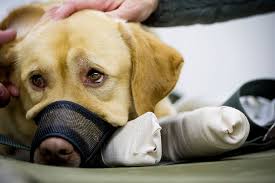
Accident-only vs. accident and illness pet insurance is a comparison that sounds straightforward — one plan costs less and covers less, the other costs more and covers more. In practice, however, the gap between them is larger than most buyers expect, and the situations where accident-only coverage is genuinely the right choice are narrower than insurance ads suggest. This guide runs the real numbers on both plan types, explains exactly what each covers and what each misses, and identifies the specific circumstances where each choice is defensible.
What each plan type actually covers
Before comparing costs, it helps to be precise about what goes into each category.
Accident-only plans cover sudden, unexpected, externally caused injuries: broken bones, lacerations, bite wounds, foreign body ingestion (swallowed objects), toxic ingestions, fractured teeth from trauma, and injuries from falls or vehicle strikes. The key word throughout is “sudden” — these are events with a clear external cause that happened at a specific moment. Coverage typically activates within 1–3 days of enrollment, making it the fastest type of coverage to access.
Accident and illness plans cover everything in an accident-only plan, plus the full range of disease and chronic conditions: cancer (diagnostics, chemotherapy, surgery, radiation), infections of all types (bacterial, viral, fungal, urinary, respiratory), chronic conditions (diabetes, Cushing’s disease, hypothyroidism, kidney disease), hereditary and congenital conditions (hip dysplasia, heart defects, breed-specific disorders), and diagnostic testing for any covered condition. According to PetHelpAnswers’ 2026 plan comparison, NAPHIA data shows that illness-related claims account for 68% of all insurance payouts — meaning accident-only policyholders miss the majority of potential reimbursements by design.
The real cost difference — with actual numbers
The average costs, based on NAPHIA 2026 State of the Industry data and carrier pricing:
| Plan type | Average monthly (dogs) | Average monthly (cats) |
|---|---|---|
| Accident-only | ~$17/month | ~$10/month |
| Accident and illness | ~$62/month | ~$32/month |
| Difference | ~$45/month ($540/year) | ~$22/month ($264/year) |
That $540/year gap for a dog and $264/year gap for a cat is what you pay to add illness coverage. Against the average illness claim — cancer averaging $4,800–$12,000, a urinary blockage at $1,500–$3,500, or a year of diabetes management at $1,200–$2,400 — that annual premium difference looks very different from what it does as a monthly line item.
Furthermore, as Pet Insurance Hub’s 2026 plan comparison notes, the price gap narrows significantly when you configure accident-and-illness at budget settings. A young mixed-breed dog with a $500 deductible, 80% reimbursement, and $10,000 annual limit at Spot or Lemonade runs approximately $22–$27/month — only $5–$10/month more than a well-configured accident-only plan from the same carriers. At that margin, the case for accident-only becomes very hard to justify for most pet owners.
What accident-only plans miss — and why it matters more than the premium difference
The most important thing to understand about accident-only coverage is that it excludes not just rare or catastrophic illness but the routine illnesses that most pets experience regularly. Ear infections, skin allergies, respiratory infections, and urinary tract infections — all excluded. Cancer, which affects nearly half of dogs over age 10 — excluded. Diabetes, which affects roughly 1 in 300 dogs and 1 in 230 cats — excluded. Any chronic condition requiring ongoing management — excluded.
In addition, there is a boundary dispute that catches many accident-only policyholders off guard: torn cruciate ligaments (ACL/CCL tears). This is one of the most common and expensive claims in pet insurance, typically costing $3,000–$6,000. Some carriers cover it under accident-only plans as a sudden injury. Others classify progressive cruciate deterioration as a degenerative illness rather than an accident. According to Petful’s 2026 accident-only analysis, disputes happen at exactly these margins, and reading the specific policy language before assuming cruciate coverage is included under an accident-only plan is essential.
The three situations where accident-only is genuinely the right choice
Despite the generally stronger case for accident-and-illness, accident-only coverage is defensible — and sometimes the best available option — in three specific scenarios:
Scenario 1 — Very senior pets who no longer qualify for full coverage Many carriers impose upper enrollment age limits for accident-and-illness plans. A 14-year-old dog may simply not be eligible for comprehensive coverage, while an accident-only plan remains accessible. In that case, accident-only provides meaningful protection against injuries (falls, fractures, lacerations) that remain realistic risks in very old dogs, without the option of full coverage existing at all.
Scenario 2 — Strict budgets where $9/month is the only financially viable option Pets Best offers accident-only coverage starting at $9/month for dogs and $6/month for cats — a flat rate regardless of age or breed. For owners who genuinely cannot afford $22–$30/month for a budget accident-and-illness plan, $9/month provides a financial floor against the most acute emergency scenarios: a broken bone, a swallowed object requiring surgery, a bite wound from another animal. It is not comprehensive protection, but it converts a potential $3,000–$5,000 emergency bill into a manageable co-pay.
Scenario 3 — A specific, defined goal of catastrophic injury-only protection Some owners consciously choose to self-insure for illness — maintaining a dedicated savings fund for disease management — while using insurance specifically for the acute, high-severity accident scenarios that a savings account handles poorly (because they arrive with no warning and no accumulation time). For these owners, accident-only is a deliberate strategy rather than a compromise.
Side-by-side comparison: what you get with each plan type
| Feature | Accident-only | Accident and illness |
|---|---|---|
| Broken bones, lacerations | ✓ Covered | ✓ Covered |
| Foreign object ingestion | ✓ Covered | ✓ Covered |
| Toxic ingestion | ✓ Covered | ✓ Covered |
| Bite wounds | ✓ Covered | ✓ Covered |
| Cancer | ✗ Excluded | ✓ Covered |
| Infections (UTI, respiratory, ear) | ✗ Excluded | ✓ Covered |
| Diabetes / Cushing’s / hypothyroidism | ✗ Excluded | ✓ Covered |
| Hereditary conditions (hip dysplasia) | ✗ Excluded | ✓ Covered |
| Allergies | ✗ Excluded | ✓ Covered |
| Cruciate ligament tear | ✗ Often excluded | ✓ Covered |
| Average monthly cost (dogs) | ~$17 | ~$62 |
| Average monthly cost (cats) | ~$10 | ~$32 |
The carriers that offer accident-only plans in 2026
Not every carrier sells accident-only plans. The major ones that do are:
- Pets Best — $9/month for dogs, $6/month for cats (flat rate regardless of age/breed); the most affordable and most accessible option
- ASPCA Pet Health Insurance — accident-only available, includes exam fees in the base plan
- Spot — accident-only available, with the same deductible and limit flexibility as its full plans
- Embrace — accident-only available; the accident-only plan also covers exam fees
- AKC Pet Insurance — accident-only available with optional add-ons
Notably, Lemonade does not offer an accident-only plan. Its full accident-and-illness base plan starts at $15/month for some profiles, which makes its budget entry point competitive with accident-only plans elsewhere.
The decision framework: which plan is right for your pet
To make this concrete, work through these three questions:
First, what is your pet’s age? If your pet is under 7 years old and healthy, accident-and-illness is almost always the better financial choice — illness risk is real and rising, and the price gap at budget configurations is small enough that accident-only rarely justifies its coverage gaps.
Second, what would happen if your pet developed cancer or a chronic condition? If you’d pursue treatment and an $8,000–$12,000 bill would cause financial strain, accident-only leaves you entirely exposed to your most likely large claim. In contrast, if you have a fully funded dedicated health savings account that you’d use for illness, accident-only can complement that strategy.
Third, have you actually compared accident-and-illness quotes at budget settings? Before settling for accident-only, get a quote for accident-and-illness at a $500 deductible and 80% reimbursement at Spot or Lemonade. In many cases, the gap is $5–$10/month — and that marginal cost covers the conditions responsible for 68% of all insurance payouts.
For a full comparison of the best accident-and-illness plans by carrier, see our best pet insurance guide for 2026. For the lowest prices on both plan types, see our cheapest pet insurance comparison.
Sources cited in this article: Petful — Accident-Only Pet Insurance 2026; Pet Insurance Hub — Accident-Only vs. Accident and Illness 2026; PetHelpAnswers — Accident vs. Illness Insurance 2026; Spot — Accident-Only vs. Accident & Illness Coverage Guide; U.S. News — What Does Pet Insurance Cover?; NAPHIA 2026 State of the Industry Report.
No responses yet