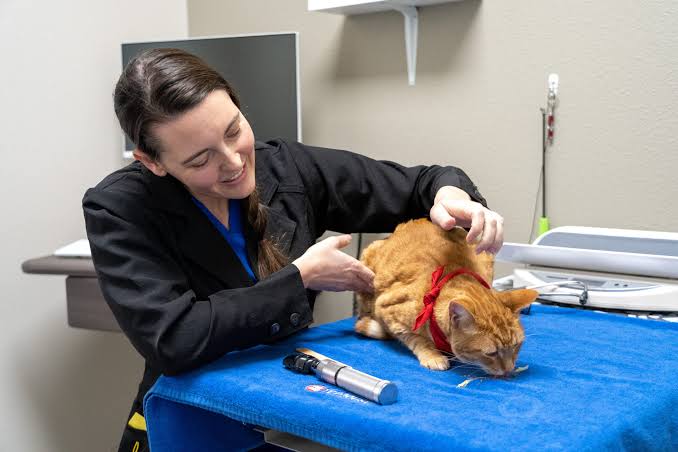
Is wellness coverage worth it on a pet insurance policy? It’s one of the most searched questions in the pet insurance space — and one of the most consistently misunderstood. The short, honest answer is that wellness add-ons are a budgeting tool, not an insurance product. Understanding that distinction is what determines whether adding one to your policy makes financial sense or quietly costs you money every year.
This article runs the actual math on wellness coverage, explains exactly what it does and doesn’t cover, and identifies the three specific situations where a wellness rider genuinely pays off.
What wellness coverage actually is — and what it isn’t
Before evaluating whether is wellness coverage worth it, it helps to be precise about what you’re buying. Standard pet insurance covers unexpected accidents and illnesses — the $4,000 surgery, the cancer diagnosis, the emergency hospitalization. Wellness coverage, by contrast, covers the routine care you already know is coming: annual exams, core vaccines, heartworm testing, flea and tick prevention, and sometimes dental cleanings.
As RatesChaser’s 2026 wellness plan analysis puts it clearly: wellness plans cover the care that was already on the calendar. Standard pet insurance covers the care that wasn’t. Conflating the two is, according to that same analysis, the single most expensive mistake pet owners make when shopping for coverage.
In practical terms, this means wellness coverage is a capped-benefit reimbursement tool. Each covered service has its own maximum payout — for example, up to $15 for a rabies vaccine, up to $50 for an annual exam, up to $100 for a dental cleaning. The total annual reimbursement is fixed, regardless of what you actually spend.
The exact math: what you pay vs. what you get back
This is where is wellness coverage worth it becomes a concrete calculation rather than a general question. According to Money.com’s 2026 wellness plan data, a typical wellness add-on costing $15/month provides up to $305 in annual reimbursements. In other words:
- Annual premium: $180
- Maximum possible reimbursement: $305
- Maximum theoretical gain: $125
At first glance, that looks like a reasonable deal. In practice, however, you only come out ahead if you use every single covered service in the same policy year. As WhiskerCover’s financial analysis notes, if you pay $25/month ($300/year) for wellness benefits and realistically use only $220 worth of eligible reimbursement, you lose money. The break-even point requires near-perfect utilization of every covered category.
Several factors consistently prevent full utilization. Microchipping is a one-time expense, so it only contributes to the math in year one. Bloodwork and urine samples aren’t required at every annual visit. Some plans share a benefit cap between spay/neuter and dental cleanings, meaning you can only claim one per year. Furthermore, vet-applied per-item caps often fall below actual costs — a dental cleaning that costs $350 may only reimburse $100, leaving a $250 gap even with coverage in place.
According to UseCalcPro’s 2026 vet cost calculator, a $15/month wellness rider typically yields a marginal upside of only $70–$220 per year at best. That’s the realistic range — not the theoretical maximum.
The two types of wellness plans: insurance add-ons vs. clinic bundles
Before running any numbers, it’s important to distinguish between two products that are often confused:
Insurance wellness riders — sold by carriers like Embrace, Pets Best, Spot, and MetLife as optional add-ons to a base accident-and-illness policy. These typically cost $10–$30/month and reimburse for covered services at any licensed vet. They are the more flexible option and generally represent better value than clinic-based alternatives.
Clinic-based wellness packages — sold by veterinary chains like Banfield (Optimum Wellness Plans at $35–$80/month) and VCA. These function as prepaid service memberships rather than insurance. Crucially, they lock you into a year-long contract, are only usable at that chain’s clinics, and require you to pay out the remaining balance if you cancel early. According to RatesChaser, the math on clinic-based plans typically breaks even only if you use every included service — and most pet owners don’t, which is exactly what these programs count on.
For most owners, an insurance wellness rider at $10–$30/month offers more flexibility and a more honest cost structure than a clinic bundle at twice the price.
When is wellness coverage worth it? Three specific scenarios
Despite the generally cautious math above, there are three situations where adding wellness coverage genuinely makes financial sense:
Scenario 1 — A puppy or kitten in their first year Young pets need multiple vet visits in their first 12 months: a series of core vaccine appointments, a wellness exam at each visit, a fecal test, a heartworm test, spay or neuter surgery, and microchipping. That’s a concentration of predictable, covered costs that can easily exceed $400–$600 in a single year. As Pawlicy Advisor notes, this is the best time to purchase a wellness plan — because the density of first-year appointments means full utilization of the plan’s benefits is far more achievable than in subsequent years.
Scenario 2 — A senior pet requiring twice-yearly exams Vets recommend twice-yearly wellness visits for dogs and cats over 7–8 years old. That doubles the exam and bloodwork reimbursements relative to a once-a-year adult. For owners of senior pets who are already committed to the recommended visit schedule, the math on a wellness rider improves meaningfully — particularly if the plan covers the comprehensive bloodwork panels that older pets need at every visit.
Scenario 3 — Breeds prone to dental disease Certain breeds — Yorkies, Maltese, Dachshunds, Cavalier King Charles Spaniels, and most brachycephalic breeds — develop dental disease at much higher rates than the general dog population and often need professional cleanings annually rather than every two to three years. For these breeds specifically, a wellness plan that reimburses even $100–$150/year toward dental cleanings can meaningfully offset the actual cost. In that context, the rider pays for a real recurring expense rather than a theoretical one.
When wellness coverage is not worth it
For most healthy adult dogs and cats between the ages of 2 and 7 with no known breed-specific risk factors, wellness coverage is unlikely to pay off. The Nationwide wellness plan review from 2026 frames this directly: wellness plans typically break even for average utilizers, since carriers price benefits to cover mean utilization. For low-use healthy pets, paying out-of-pocket for routine care while carrying only accident-and-illness coverage is often cheaper.
Additionally, the base accident-and-illness policy is always the priority. If budget is a constraint, dropping the wellness add-on and putting that $15–$30/month toward a lower deductible or higher reimbursement rate on your core policy produces much more financial protection per dollar — because it improves your coverage for the claims that actually represent catastrophic risk.
The smarter alternative for most owners
Rather than paying a wellness rider premium, many financial and veterinary sources now recommend a simpler approach: budget a fixed monthly amount — equivalent to the wellness premium — into a dedicated savings account for routine care. The difference is meaningful. That money earns interest, has no per-item caps, covers any service at any vet, and rolls over if it isn’t used. A wellness rider, by contrast, resets to zero each year whether you used it or not.
As Bestie Paws Hospital’s analysis explains, the real behavioral benefit of a wellness plan is turning a single large annual bill into predictable monthly spending. That same outcome is achievable with a savings account — without the per-item caps, without the carrier restrictions, and without the annual reset.
The bottom line: is wellness coverage worth it?
For most adult pets in routine health, probably not — at least not as a standalone financial decision. The marginal annual gain ($70–$220 at best) rarely justifies the premium when measured against near-perfect utilization requirements and per-item caps that fall below actual costs.
For puppies in their first year, senior pets on twice-yearly schedules, or dental-disease-prone breeds with predictable annual cleaning needs, however, the math genuinely can work. In those three specific situations, the density of covered services is high enough that full utilization is achievable — and the rider pays for something real rather than theoretical.
In every scenario, nevertheless, wellness coverage is a secondary decision. Start with the strongest accident-and-illness policy your budget allows, and then evaluate a wellness add-on only once that foundation is in place. See our full pet insurance comparison for 2026 for plans that include wellness riders alongside the accident-and-illness coverage that matters most, and our cost breakdown guide to see how a wellness rider affects your total monthly premium.
Sources cited in this article: Money.com — Are Pet Wellness Plans Worth the Money?; RatesChaser — Pet Wellness Insurance Plans Worth It? 2026; WhiskerCover — Is Pet Insurance Worth It?; Pawlicy Advisor — Are Pet Wellness Plans Worth It?; UseCalcPro — Vet Visit Cost Calculator 2026; CNBC Select — Best Wellness Pet Insurance 2026; Bestie Paws Hospital — Dog Wellness Exam Cost; Nationwide Pet Wellness Plan Review 2026.
No responses yet