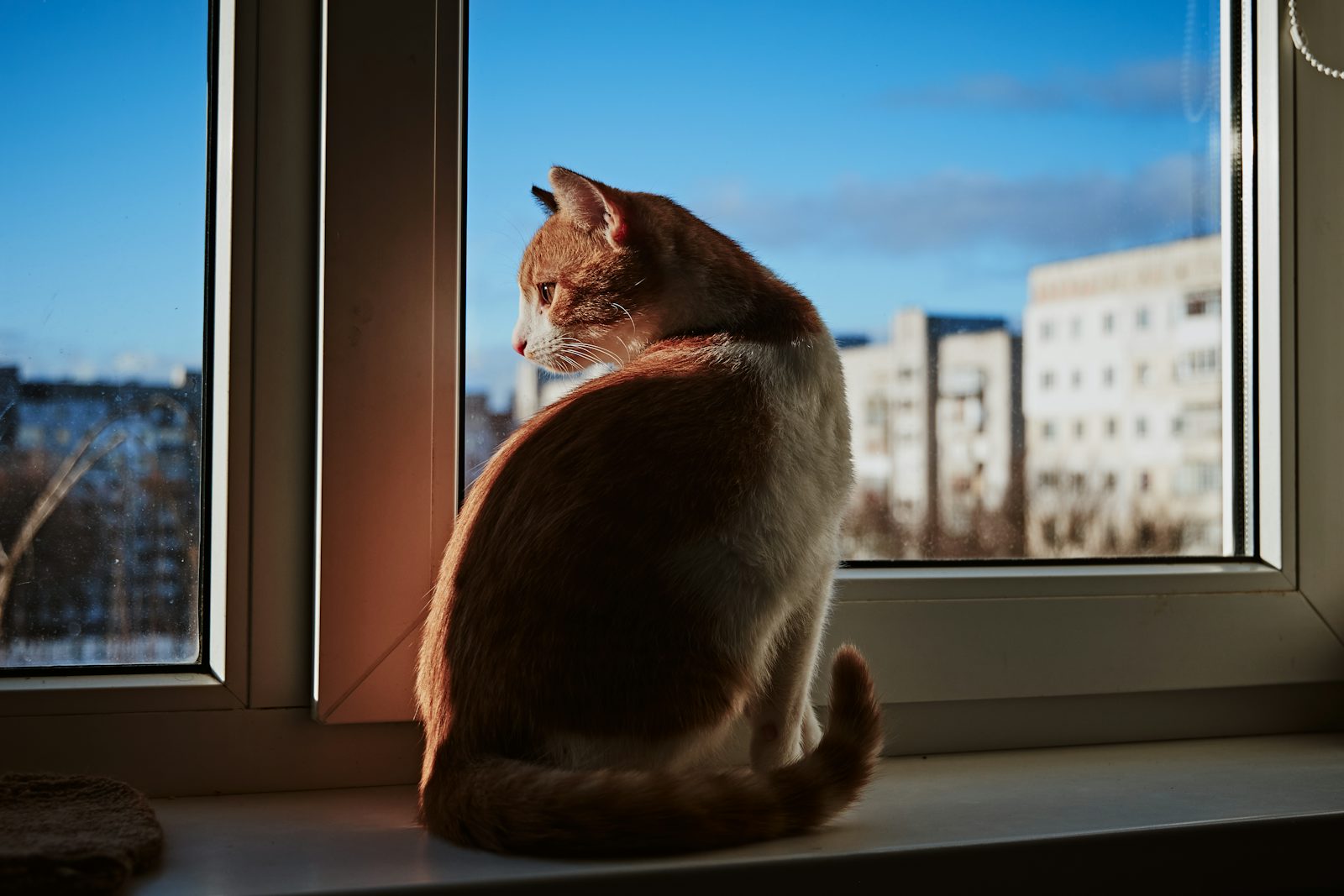
Whether your cat spends its days curled up on a windowsill or roaming the neighborhood changes more than just its daily routine – it changes the kind of vet bills you’re likely to see, and in some cases, what you’ll pay for insurance. Here’s how indoor and outdoor lifestyles actually affect cat insurance pricing, and what each type of cat tends to get claims for.
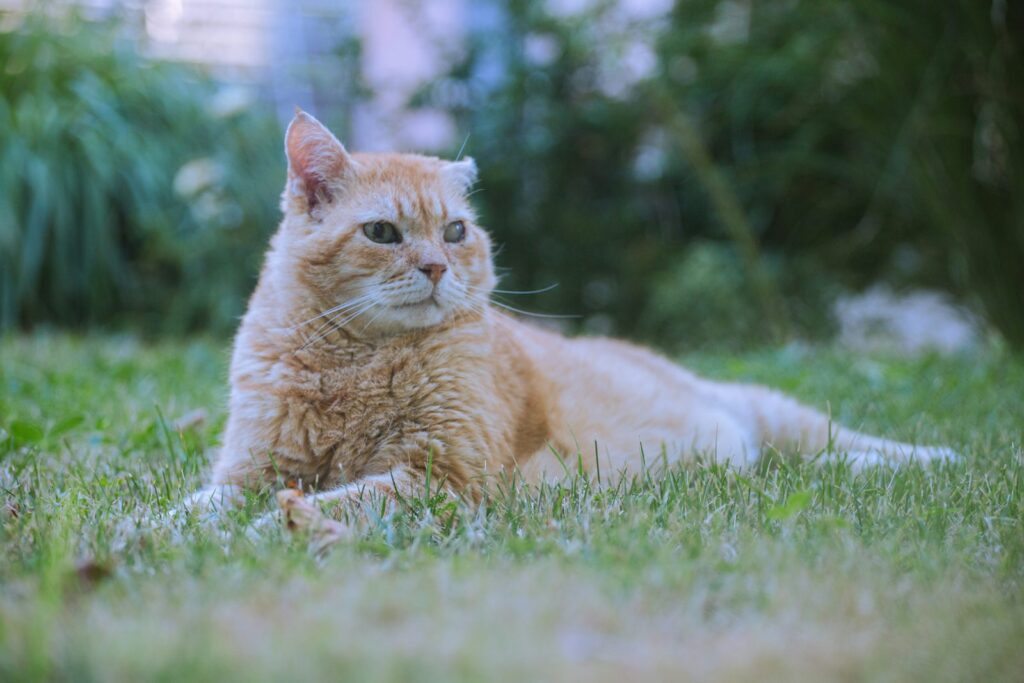
Does lifestyle actually affect the price of cat insurance?
Somewhat, but less than most owners expect. Cat insurance pricing is driven primarily by age, breed, location, and the coverage level you choose – indoor/outdoor status is a secondary factor that a handful of insurers ask about directly, while others don’t factor it into pricing at all. When it is used, outdoor or indoor/outdoor access typically nudges the premium up slightly, reflecting the higher accident risk of cats that go outside, rather than dramatically changing the quote.
According to the North American Pet Health Insurance Association’s 2026 State of the Industry report, the average accident-and-illness premium for cats nationally runs around $29 a month, or roughly $435 a year – that’s the baseline most quotes will land near or below, before lifestyle, breed, or age adjustments are applied. If you want a fuller breakdown of what drives that number, our guide to cheap cat insurance and average yearly costs covers the main levers in more detail.
Why the risk profile is so different
The ASPCA recommends keeping cats exclusively indoors specifically because outdoor cats face meaningfully higher risks of trauma from cars, fights with other cats or wildlife, and exposure to infectious diseases like FIV, which spreads primarily through the deep bite wounds that occur during outdoor territorial fights. Indoor cats are shielded from almost all of that – but they trade it for a different set of risks tied to a more sedentary lifestyle.
Common outdoor cat claims
- Bite wound infections and abscesses from fights with other animals
- Vehicle-related trauma: fractures, internal injuries, road rash
- Foreign body ingestion and toxin exposure
- Infectious diseases such as FIV, FeLV, and parasites picked up outdoors
- Emergency visits, which tend to be both more frequent and more expensive than for strictly indoor cats
Common indoor cat claims
- Obesity-related conditions, including diabetes and joint strain
- Chronic illnesses tied to age, like kidney disease and hyperthyroidism
- Urinary blockages and lower urinary tract disease
- Dental disease
- Foreign body ingestion from string, hair ties, or houseplants
Neither profile is “cheaper” to insure across the board. Outdoor cats generate more accident claims and tend to file them earlier in life; indoor cats generate fewer accident claims but more chronic, ongoing illness claims as they age – which is a large part of why we’ve written separately about whether pet insurance is worth it for an indoor cat.
What actually changes on your quote
When an insurer does ask about outdoor access, it typically affects one or more of the following rather than being a flat surcharge:
- Base premium: A modest increase, often in the range of a few dollars a month, to reflect higher accident frequency.
- Deductible and reimbursement options offered: Some insurers still offer the same range of deductibles and reimbursement percentages regardless of lifestyle; a few restrict the lowest deductibles for higher-risk profiles.
- Underwriting questions at enrollment: You may be asked directly whether your cat has unsupervised outdoor access, which can affect how certain accident-related claims are evaluated later.
What matters more than the indoor/outdoor label itself is answering enrollment questions accurately. Misrepresenting your cat’s lifestyle to get a lower quote can create problems at claim time if an outdoor-related injury doesn’t match what’s on file – it’s simply not worth the risk for a difference that’s usually modest to begin with.
Does where you live change any of this?
It can, in a couple of ways. Vet costs themselves vary by region – emergency and specialty care in major metro areas typically costs more than in smaller markets, which affects both your premium and how far your annual limit stretches. For outdoor cats specifically, local wildlife and traffic density matter too: a cat that roams a quiet rural yard faces a different risk mix than one navigating a busy urban block, even though most insurers price by state or region rather than by that level of detail. If you’re budgeting for either scenario, it’s worth pulling a few real quotes for your specific ZIP code rather than relying on national averages alone.
Does breed or age change this equation?
Yes, and usually by more than lifestyle does. A young, healthy indoor cat of a low-risk breed will typically get a lower quote than an older outdoor cat regardless of any lifestyle adjustment, because age and breed-linked conditions are bigger cost drivers over the life of a policy. If you’re comparing cat-specific plans generally, our roundup of the best cat insurance plans for 2026 breaks down how different carriers weigh these factors.
Should an outdoor cat’s owner buy a higher level of coverage?
It’s worth considering. Because outdoor cats are statistically more likely to have an accident-related claim – and because emergency trauma care can run into the thousands of dollars for a single incident – owners of cats with regular outdoor access may get more practical value out of a lower deductible or a higher reimbursement percentage than an indoor-only cat owner would need. It’s a trade-off between a slightly higher monthly premium and lower out-of-pocket exposure the first time an accident happens. Our explainer on how deductibles work in pet insurance walks through how to weigh that trade-off for your own budget.
A quick example: two claims, two very different bills
Consider two hypothetical cats on the same mid-tier plan – $500 deductible, 80% reimbursement, $10,000 annual limit – to see how the two lifestyles play out financially.
Outdoor cat, age 4: Hit by a car, requiring emergency stabilization, X-rays, and orthopedic surgery for a fractured leg. Total bill: roughly $4,500. After the $500 deductible, the owner is reimbursed 80% of the remaining $4,000 – about $3,200 back, for a net cost of around $1,300 on an incident that could otherwise have meant choosing between a large one-time expense and delaying treatment.
Indoor cat, age 11: Diagnosed with early hyperthyroidism during a senior wellness panel, requiring ongoing medication and bloodwork monitoring. Annual cost: roughly $900. After the deductible, 80% of the remaining $400 is reimbursed – about $320 back, for a net annual cost of around $580.
Neither scenario is more or less “worth it” than the other; they simply illustrate why outdoor cats tend to generate larger, more sudden claims while indoor cats tend to generate smaller, more predictable ones over time.
How to decide what matters for your cat
A few practical questions can help you figure out which factors to prioritize when comparing quotes:
- Does your cat have any outdoor access at all, even supervised time on a leash or in a catio? If so, disclose it accurately and weigh a lower deductible against the modest premium increase.
- Is your cat already middle-aged or older? If so, chronic-illness coverage and reimbursement percentage likely matter more to your long-term costs than the indoor/outdoor adjustment does.
- What’s your local emergency vet pricing like? Costs vary significantly by region, and outdoor cats are statistically more likely to need emergency care, so it’s worth checking typical local ER rates before choosing a low annual limit.
- Would a sudden $2,000-$5,000 bill strain your budget? If yes, that’s a stronger argument for a lower deductible than the indoor/outdoor question is on its own.
Frequently asked questions
Is it more expensive to insure an outdoor cat than an indoor cat?
Usually somewhat, but the difference tends to be modest compared to what age and breed do to the price. Some insurers don’t distinguish between the two at all.
Do I need to tell my insurer if my indoor cat sometimes goes outside?
Yes. If your enrollment application asks about outdoor access, answer accurately – even occasional supervised time outside. Inaccurate answers can complicate a claim later if an accident happens outdoors.
Are indoor cats really at lower risk overall?
They face substantially lower risk of trauma and infectious disease, per ASPCA guidance, but they aren’t risk-free – obesity, dental disease, and chronic age-related conditions are all more common in cats that get less activity.
Does converting an outdoor cat to an indoor-only lifestyle lower my premium?
It can, with insurers that factor in outdoor access – contact your carrier to update your cat’s profile if their lifestyle changes permanently.
Which type of cat benefits more from pet insurance?
Both benefit, just from different angles: outdoor cats are more likely to need it for an unpredictable accident, while indoor cats are more likely to need it for a slow-building chronic condition later in life.
The bottom line
Indoor/outdoor status is a real but secondary factor in cat insurance pricing – age, breed, and coverage level matter more. What it should really change is how you think about deductible and reimbursement levels, not whether you buy a policy at all. pawprotectplans.com is an independent educational resource rather than an insurer, so the best next step is comparing a few real quotes side by side for your cat’s actual situation – start with our best cat insurance comparison for 2026.
No responses yet