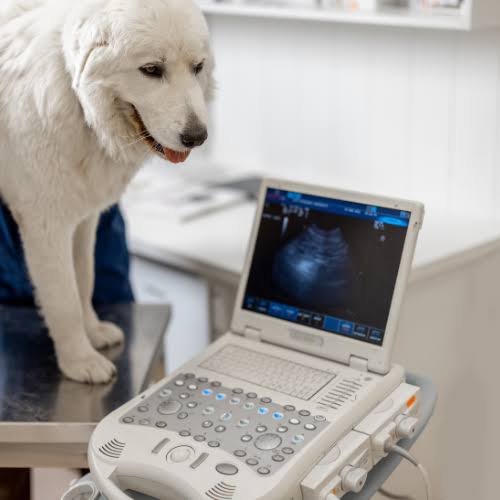
Does pet insurance cover cancer treatment? For most comprehensive accident-and-illness plans, yes — cancer is one of the most reliably covered conditions in pet insurance precisely because it is the single most expensive veterinary condition most pets will face. The important caveats are timing (cancer diagnosed after enrollment and waiting periods is covered; cancer diagnosed before enrollment is permanently excluded) and plan type (accident-only plans never cover cancer). This guide covers what cancer treatment costs, exactly what is and isn’t covered, which carriers provide the strongest cancer coverage, and the one timing decision that makes or breaks a cancer claim.
Why cancer coverage matters more than any other benefit
<cite index=”35-1″>One in four pets are diagnosed with cancer at some point in their lives, and 50% of dogs over the age of 10 are diagnosed with cancer</cite> — making it the leading cause of death in senior pets. The financial reality matches the medical one. According to Pumpkin’s claims data, costs for pets with cancer can exceed $15,000 for dogs and $12,000 for cats, depending on the type and stage.
The specific cost by treatment type, based on data from MetLife Pet Insurance and Bankrate:
- Initial diagnostics (bloodwork, imaging, biopsy): $500–$3,000
- Chemotherapy: $3,000–$10,000 for a full course; individual doses run $150–$600 each
- Radiation therapy: $1,000–$1,800 for a palliative protocol; $4,500–$6,000 for a curative protocol
- Surgery (tumor removal, limb amputation): starts around $500 for simple excision; $10,000+ for complex oncologic surgery
- Total treatment for lymphoma specifically: $900–$4,500 for diagnosis; up to $18,000 in total treatment costs
These figures represent the core financial case for cancer coverage. A policy that costs $50/month and pays 80% of a $12,000 cancer bill saves the owner approximately $9,100 in a single illness — roughly 15 years of premiums in one event.
What pet insurance covers for cancer treatment
Most comprehensive accident-and-illness policies cover the full spectrum of cancer-related veterinary care, provided the diagnosis occurs after enrollment and the waiting period:
Diagnostics: blood panels, urinalysis, fine needle aspirates, biopsies, X-rays, ultrasounds, CT scans, MRIs, and any other testing required to diagnose and stage the cancer.
Surgery: tumor removal, excision biopsies, debulking procedures, limb amputation, and oncologic surgery of all types. <cite index=”35-1″>All Embrace Pet Insurance policies include cancer treatment coverage at no extra cost, covering surgery, treatment, and follow-up visits.</cite>
Chemotherapy: all standard chemotherapy protocols, including oral and injectable agents. According to Pumpkin’s cancer coverage guide, Pumpkin’s base plan covers chemotherapy, radiation, surgery, prescription medications, and diagnostic imaging. Furthermore, Pumpkin’s PumpkinNow urgent pay service fast-tracks reimbursement of 90% of eligible expenses for covered claims of $500 or more — depositing funds before the owner leaves the clinic in some cases.
Radiation therapy: both palliative and curative protocols are covered at most carriers. MetLife explicitly confirms that radiation therapy is generally included alongside chemotherapy in its standard plan.
Hospitalization and monitoring: overnight stays, IV fluids, pain management during cancer treatment, and recovery monitoring are all covered as part of the treating condition.
Prescription medications: drugs prescribed as part of a cancer treatment protocol — oncology-specific medications, anti-nausea drugs, pain management, steroids — are covered when tied to the cancer diagnosis.
Supportive and alternative therapies: acupuncture and rehabilitation therapy prescribed by a veterinarian to ease pain or improve mobility after cancer treatment are covered at Pumpkin, Embrace, Healthy Paws, and Fetch. Trupanion covers these through an optional Recovery and Complementary Care add-on.
What is NOT covered for cancer
Cancer diagnosed before enrollment or during the waiting period: this is an absolute exclusion. According to Progressive’s cancer guide, “if your pet already has cancer, your insurance policy will not cover it.” The policy can still be purchased — the remaining non-cancer conditions the pet might develop are still coverable — but all cancer-related expenses are permanently excluded.
Experimental or investigational treatments: immunotherapy, gene therapy, clinical trial participation, and treatments not yet considered standard veterinary oncology practice are excluded at most carriers. According to Pumpkin’s guide, “your veterinarian may recommend them out of hope, but pet insurance providers typically only reimburse for established treatments.”
Accident-only plans: accident-only policies cover injuries but explicitly exclude illnesses — and cancer is classified as an illness. Any owner with an accident-only plan faces the full cost of cancer treatment without reimbursement.
Cosmetic or palliative-only procedures: removing small, benign skin tags or masses with no diagnostic or health benefit may be classified as cosmetic and excluded. The distinction is between a procedure that treats or stages cancer versus one that has no medical necessity.
Carrier-by-carrier cancer coverage comparison
| Carrier | Cancer covered in base plan | Annual limit | Unique cancer feature |
|---|---|---|---|
| Embrace | Yes — all cancer types | Up to unlimited | No extra cost; covers alternative therapy |
| Healthy Paws | Yes — comprehensive | Unlimited | Fast 24-hr reimbursement; no per-incident cap |
| Pumpkin | Yes — chemo, radiation, surgery | Up to unlimited | PumpkinNow urgent pay within hours |
| Trupanion | Yes | Unlimited | Per-condition deductible; direct vet payment |
| MetLife | Yes | Up to unlimited | Up to 90% reimbursement; real claim: $2,650 back on $2,950 bill |
| ASPCA | Yes | Up to unlimited | No age limit; 14-day orthopedic wait |
| Spot | Yes | Up to unlimited | Dental illness included; 7 limit options |
| Lemonade | Yes | Up to $100,000 | Lowest premiums; app-based fast claims |
| Fetch | Yes | Up to unlimited | Behavioral and alternative therapy included |
| AKC Pet Insurance | Yes + incurable pre-existing after 365 days | Unlimited | Only carrier covering cancer that predated enrollment (after 365 days) |
| Nationwide | Yes | Varies by plan | Benefit-schedule model on some plans |
| Pets Best | Yes | Up to unlimited | $50 deductible option; direct pay |
Sources: MoneyGeek June 2026, Embrace, Healthy Paws, MetLife.
Why the annual limit is especially important for cancer claims
Cancer is different from most veterinary conditions in one key financial respect: treatment is multi-event and often multi-year. A dog undergoing chemotherapy may receive 6–8 treatment sessions in a single policy year, each generating a claim. An owner with a $5,000 annual limit can exhaust it after two or three chemo sessions, leaving the remaining treatment entirely out of pocket.
This is the specific scenario where unlimited annual benefits — offered by Healthy Paws, Trupanion, Embrace, Healthy Paws, and others — provide meaningfully different protection than capped plans. According to MoneyGeek’s June 2026 cancer guide, AKC’s unlimited annual limit “best reflects what cancer treatment costs over time” for high-cost multi-session treatment protocols. For owners of breeds with elevated cancer risk, upgrading from a $10,000 limit to unlimited costs roughly $5–$15 extra per month — and removes the ceiling on the most expensive condition type in veterinary medicine.
Breeds with elevated cancer risk — where coverage matters most
Certain breeds face substantially higher lifetime cancer rates than the general dog population. Enrolling these breeds early — before any growth, mass, or unexplained symptom appears in the medical record — is the single most important financial action for their owners:
- Golden Retrievers: cancer rates approaching 60–65% lifetime, far above the general 25% average — the highest-risk breed in U.S. veterinary data
- Bernese Mountain Dogs: over 50% lifetime cancer rate; hemangiosarcoma and histiocytic sarcoma are common
- Boxers: elevated rates of mast cell tumors, lymphoma, and brain tumors
- Rottweilers, Great Danes: elevated osteosarcoma (bone cancer) rates
- Scottish Terriers: 18× higher bladder cancer risk than the general dog population
For cats, <cite index=”32-1″>mammary tumors and lymphoma are among the most common — with senior cat mammary tumor surgery costing between $1,500 and $8,000 per procedure</cite>. Siamese cats face a statistically higher lymphoma rate than most breeds.
The AKC exception: the only path to coverage for pre-existing cancer
All other carriers permanently exclude cancer that was diagnosed or showed symptoms before enrollment. AKC Pet Insurance is the only carrier in the U.S. market that offers a path to eventual coverage for incurable pre-existing conditions — including cancer — after 365 consecutive days of continuous enrollment with no symptoms. This is a narrow exception with specific qualifying criteria. Nevertheless, for owners whose pets have been in remission from cancer, it represents the only available route to future cancer coverage in the market.
What to do right now if your pet is a high-risk breed
The timing of cancer insurance enrollment is not the same as the timing of other conditions. Unlike hip dysplasia (which may show signs in adolescence) or allergies (which often appear in the first year), cancer in high-risk breeds can develop at any age with no advance warning. The window between “perfectly healthy” and “cancer diagnosis” can be measured in weeks.
Enrolling a Golden Retriever at age 1 with clean records and an unlimited annual plan costs roughly $40–$55/month at carriers like Lemonade or Embrace. That same enrollment at age 7 — still healthy — costs $80–$120/month. Waiting for a symptom or diagnosis closes the window entirely. As a practical matter, there is no financial upside to delaying cancer coverage enrollment for a high-risk breed, and the downside is complete loss of coverage for the most expensive condition that breed is statistically likely to face.
For a full comparison of which carriers offer the strongest cancer coverage with the most favorable annual limits, see our best pet insurance guide for 2026. For a breakdown of real cancer claim reimbursements, see our real claim examples article.
Sources cited in this article: MoneyGeek — Best Pet Insurance for Cancer Treatment (June 2026); Pumpkin Pet Insurance — Does Pet Insurance Cover Cancer?; MetLife Pet Insurance — Cancer Coverage; Embrace Pet Insurance — Cancer Coverage; Healthy Paws — Pet Insurance for Cancer Treatment; Progressive — Does Pet Insurance Cover Cancer?; Bankrate — Does Pet Insurance Cover Cancer?; Nationwide — Pet Insurance Cancer Coverage.
No responses yet