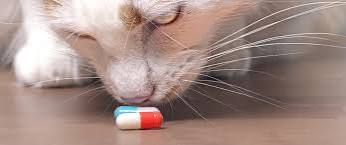
Does pet insurance cover prescription medications? For most carriers and most situations, yes — prescription drugs are among the more straightforward covered categories in pet insurance. Prescription food is a different story: coverage is highly variable by carrier, limited to specific circumstances even where it exists, and excluded entirely by some of the most popular plans on the market. This guide covers both categories clearly, with verified carrier-by-carrier rules and the specific conditions that determine whether a claim will be paid.
Prescription medications: what’s covered and what isn’t
What is covered
According to PetPlace’s medication coverage guide, pet insurance generally covers prescription medications prescribed to treat a covered accident or illness. In practice, this means:
- Post-surgical pain medications (carprofen, tramadol, gabapentin) prescribed after a covered procedure are reimbursed at virtually every carrier
- Antibiotics and antifungals prescribed for a covered infection or illness
- Cancer treatment drugs (chemotherapy agents, targeted therapies) for covered diagnoses — one of the highest-cost medication categories and one of the most reliably covered
- Chronic condition medications when the condition develops after enrollment and isn’t pre-existing — insulin for newly diagnosed diabetes, thyroid medication for post-enrollment hypothyroidism, seizure medications for epilepsy diagnosed after the waiting period
- Behavioral and anxiety medications when the diagnosis occurs after the waiting period and is prescribed by a licensed veterinarian
- Telehealth prescriptions are now accepted by most major carriers in 2026, provided the prescribing veterinarian is licensed in your state
The documentation requirement is consistent across carriers: you need a prescription from a licensed vet showing the drug, the diagnosis it treats, and the connection to a covered condition. As PetPlace notes, “a prescription often serves as proof of medical necessity.”
What is excluded
Several medication categories are excluded even when the underlying condition is covered:
Preventive medications — heartworm prevention (Heartgard, Interceptor), flea and tick treatments (Bravecto, NexGard, Simparica), and routine dewormers are excluded from standard plans. These are available through wellness add-ons at carriers like Lemonade, Embrace, and Nationwide, but not as part of the base accident-and-illness policy.
Over-the-counter medications — OTC pain relievers, supplements, vitamins, and health aids are excluded. Only prescription drugs — those requiring a veterinarian’s authorization — qualify for reimbursement.
Compounded medications — custom-compounded drugs (where a pharmacist mixes a specific formulation not commercially available) create frequent claim complications. According to Pet Cover Guide’s 2026 medication analysis, “compounded medications versus standard prescriptions create frequent headaches.” Some carriers cover compounded drugs normally; others apply additional documentation requirements or sublimits.
Supplements and CBD products — nutraceuticals, fish oil, joint supplements, herbal remedies, and CBD products are excluded from standard plans even when recommended by a vet for a covered condition.
Medications for pre-existing conditions — any drug prescribed to manage a condition that was documented before enrollment or during the waiting period is excluded, regardless of when the prescription is filled.
Behavioral medications started during the waiting period — anxiety medications initiated during the 14-day illness waiting period receive no reimbursement, even if the behavioral condition itself is covered after the waiting period ends.
Prescription food: the most variable category in pet insurance
Prescription food coverage is where carrier policies diverge most dramatically. According to MoneyGeek’s June 2026 prescription food analysis, some carriers include it in the standard plan, others offer it as a paid add-on, and several exclude it entirely. The rule that applies across all carriers that do cover it: the food must be prescribed by a licensed vet to treat a specific covered medical condition — not for general health maintenance, weight control, or preventive purposes.
Carriers that cover prescription food in the base plan
ASPCA Pet Health Insurance covers prescription diets as part of its Complete Coverage plan when the food is prescribed to treat a covered condition. According to NerdWallet’s 2026 review, ASPCA pays for the prescription diet for as long as it’s medically necessary for the covered condition.
Spot includes prescription food and supplements in its core plan when prescribed by a licensed veterinarian to treat a covered condition. This is one of the broadest base-plan inclusions among major carriers.
Pumpkin covers food and supplements prescribed to treat a covered condition. It excludes food used for general health maintenance or weight control, drawing the same “treatment vs. maintenance” line as other carriers.
MetLife covers prescription diets when prescribed to treat a covered medical condition. Some plan tiers include it by default.
Trupanion covers 50% of the cost of up to two months of prescription food from the onset of a covered condition, when the food is recommended by a vet. The coverage excludes raw food diets, dental diets, and food for general maintenance or preventive care.
Nationwide Modular Plan covers prescription diets as treatment for covered conditions in select states. However, the Major Medical, My Pet Protection, and Whole Pet plans do not cover prescription food — so the specific plan tier matters.
Carriers that offer prescription food as a paid add-on
Figo includes a $250 per policy term benefit for vet-prescribed food as the sole treatment for an illness through its optional Veterinary Exam Fees Powerup. This coverage excludes dental foods.
Embrace does not include prescription food in the standard plan but can cover it through the Wellness Rewards add-on when it falls under a wellness benefit category.
Carriers that exclude prescription food entirely
Pets Best — does not cover prescription pet food or supplements under any plan tier or add-on.
Healthy Paws — excludes prescription food from all plans.
Lemonade — excludes prescription food from the base plan. It is not available as an add-on for this coverage category.
Fetch — excludes prescription food from all plans.
Prescription food coverage comparison table
| Carrier | Prescription medication | Prescription food | Conditions / limits |
|---|---|---|---|
| ASPCA | Covered | Covered (base plan) | Must treat a covered condition |
| Spot | Covered | Covered (base plan) | Vet-prescribed for covered condition |
| Pumpkin | Covered | Covered (base plan) | Excludes general health/weight food |
| MetLife | Covered | Covered (some tiers) | Tier-dependent |
| Trupanion | Covered | 50%, up to 2 months | Excludes raw, dental, maintenance diets |
| Nationwide Modular | Covered | Covered (select states) | Not available on all plan types |
| Figo | Covered | $250/term add-on | Vet-prescribed, no dental food |
| Embrace | Covered | Wellness add-on only | Benefit-dependent |
| Lemonade | Covered | Not covered | No add-on available |
| Healthy Paws | Covered | Not covered | No add-on available |
| Pets Best | Covered | Not covered | No add-on available |
| Fetch | Covered | Not covered | No add-on available |
Sources: U.S. News April 2026, MoneyGeek June 2026, NerdWallet 2026.
The treatment vs. maintenance distinction that determines coverage
For prescription food specifically, the single most important eligibility criterion is whether the diet is prescribed as active treatment for a current diagnosed condition — or as long-term maintenance for a managed condition. This distinction is drawn differently across carriers and is the most common source of prescription food claim disputes.
In practice, a kidney support diet prescribed at the time of a new CKD diagnosis is more likely to be approved than the same diet prescribed for a cat that has been managing CKD for three years. In the latter case, some carriers classify the diet as maintenance rather than treatment and deny the claim. Asking your carrier’s claims team to clarify this distinction before filing — and having your vet document the current medical necessity of the diet on the invoice — reduces the risk of a treatment-vs.-maintenance denial significantly.
What to do if your pet needs expensive ongoing medication
For pets managing conditions that require long-term, expensive medications — insulin for diabetes, thyroid medication for hyperthyroidism, anti-seizure drugs for epilepsy — the value of pet insurance compounds significantly over time. A diabetic cat requiring $80–$120/month in insulin represents roughly $1,000–$1,440 per year in ongoing medication cost. At 80% reimbursement and after the annual deductible, insurance can cover $800–$1,000+ of that annual medication expense — making the premium calculation over several years strongly favorable.
The key, as with all covered conditions, is that the condition must develop after enrollment and the waiting period. Enrolling before any diagnosis appears on the medical record is the only way to ensure ongoing medication costs for a newly developing condition are covered throughout the pet’s lifetime on the policy.
For a full comparison of which carriers provide the most comprehensive medication coverage, see our best pet insurance guide for 2026. For a broader look at all covered and excluded categories, see our complete pet insurance coverage guide.
Sources cited in this article: MoneyGeek — Does Pet Insurance Cover Prescription Food? (June 2026); U.S. News — Does Pet Insurance Cover Prescription Food? (April 2026); NerdWallet — Does Pet Insurance Cover Prescription Food?; PetPlace — Does Pet Insurance Cover Medication?; Pet Cover Guide — Pet Insurance Medication Coverage (May 2026); PetPlace — Does Pet Insurance Cover Prescription Food?; FurVerdict — Pet Insurance Coverage Guide (May 2026).
No responses yet